Magnus Attefall
Home / Portfolio / Page 5

Portfolio

  • Say goodbye to dry skin with Humidifier Onboard airplane

    Say goodbye to dry skin with Humidifier Onboard airplane

    Say Goodbye to Dry Cabin Skin – Article by Magnus Attefall

    Content Overview

    Author: Magnus Attefall
    Client: CTT Systems
    Audience: Airline passengers, journalists, and decision-makers in the aviation industry
    Content Type: Editorial article/thought leadership
    Purpose: Translate technical innovation into engaging, relatable communication

    The Objective

    Cabin humidity is a highly technical topic, making it difficult to communicate its real-world value to a broader audience.

    The objective was to make the subject relevant and engaging by connecting it to everyday experiences, while still supporting CTT Systems’ positioning in premium aviation.

    My Approach

    I developed the article with a strong editorial focus, aiming to make a technical topic feel personal and relatable.

    By connecting cabin humidity to real-world effects such as dry skin and passenger comfort, the content translates complex technology into tangible benefits. The tone balances storytelling with informative value, making the subject accessible without losing credibility.

    The article was designed to engage a broader audience while reinforcing the brand’s expertise.

    Content Highlights

    • Editorial storytelling that connects technology to everyday experience
    • Clear translation of technical concepts into user benefits
    • Tone adapted for both consumers and industry stakeholders
    • Balance between engagement and credibility

    Business Impact

    • Increased accessibility of a complex technical topic
    • Strengthened brand positioning through thought leadership
    • Improved engagement with non-technical audiences
    • Reusable content for PR, web, and marketing channels

    Dry, uncomfortable skin is a common complaint for air travelers, caused by the extremely low humidity in aircraft cabins. CTT Systems’ Humidifier Onboard is transforming the flying experience by maintaining healthy moisture levels in the air, helping passengers arrive feeling refreshed, comfortable, and with naturally hydrated skin. 

    Why does flying cause dry skin?

    Airplane cabins typically maintain humidity levels as low as 5% in premium cabins and around 12% in economy, far below the comfortable 30–60% you’re used to on the ground. This dry environment accelerates moisture loss from your skin, leading to dehydration, flakiness, irritation, and even premature ageing.

    The science behind dry cabin air

    At cruising altitude, the outside air is extremely dry. When this air is circulated inside the cabin, it quickly draws moisture from everything, including your skin. As a result, your skin’s natural hydration evaporates more quickly, leading to tightness, itchiness, and increased sensitivity.

    Common skin problems caused by flying

    • Dehydration: The skin loses water rapidly, resulting in a dry, tight feeling.
    • Flakiness and irritation: Skin can become itchy or irritated.
    • Increased sensitivity: Dry skin is more vulnerable to redness and inflammation.
    • Premature aging: Chronic dehydration can contribute to the development of fine lines and a dull complexion.

    Humidifier Onboard: Your solution for healthy skin in the air

    CTT Systems’ Humidifier Onboard actively adds moisture to the cabin air, raising humidity to comfortable, ground-like levels. This helps your skin retain moisture throughout the flight, reducing dryness and irritation and keeping you looking and feeling your best.

    Key benefits of Humidifier Onboard

    • Enhanced skin hydration: Maintains your skin’s natural moisture balance.
    • Improved comfort: Reduces dry eyes, throat irritation, and respiratory discomfort.
    • Healthier food experience: Normalised humidity allows your taste buds to function optimally, making food taste as it should.
    • Better well-being: Supports restful sleep, boosts your immune system, and lowers your risk of airborne illness.

    Tips for protecting your skin while flying

    Even with optimal cabin humidity, you can further protect your skin by:

    • Drinking plenty of water
    • Avoiding alcohol and caffeine
    • Using gentle, alcohol-free skincare products

    Where to find Humidifier Onboard flights

    Several leading airlines now offer Humidifier Onboard to enhance passenger comfort and health. While you can’t always see which aircraft are equipped, contacting your airline for details can help you choose flights that prioritise your well-being.

    The future of comfortable, hydrated air travel

    As more airlines adopt advanced humidification systems, the days of dry, uncomfortable flights are drawing to a close. Choose flights with Humidifier Onboard for a healthier, more enjoyable journey—your skin and body will thank you.

    Welcome onboard airplanes with Humidifier Onboard 
    – for natural skin and healthier travel

  • CTT Systems commitment to the Science Based Targets Initiative

    CTT Systems commitment to the Science Based Targets Initiative

    CTT Systems sustainability roadmap – editorial content by Magnus Attefall

    Content Overview

    Author: Magnus Attefall
    Client: CTT Systems
    Audience: Industry stakeholders, investors, customers, and sustainability-focused decision-makers
    Content Type: Editorial article / corporate communication
    Purpose: Communicate sustainability commitment and align brand with global climate initiatives

    The Objective

    CTT Systems’ commitment to the Science-Based Targets Initiative is strategically important but requires clear communication to be fully understood.

    The objective was to explain the commitment, its implications, and its relevance in a way that builds credibility and aligns the brand with global sustainability expectations.

    My Approach

    I developed the content with a focus on clarity, structure, and credibility.

    The article translates sustainability commitments into an understandable business and industry context, highlighting both the initiative’s significance and its impact. The tone balances transparency with strategic positioning, ensuring the message resonates with both stakeholders and decision-makers.

    The content was designed to support both brand positioning and long-term communication around sustainability.

    Content Highlights

    • Clear explanation of sustainability commitments and frameworks
    • Translation of complex topics into accessible communication
    • Alignment between brand messaging and global initiatives
    • Tone balancing credibility, transparency, and strategic positioning

    Business Impact

    • Strengthened credibility in sustainability communication
    • Improved understanding among stakeholders and decision-makers
    • Enhanced brand positioning in line with global climate initiatives
    • Reusable content for PR, web, and corporate communication

    CTT Systems is taking decisive climate action by joining the Science Based Targets Initiative (SBTi) and aligning our sustainability strategy with the latest climate science. This commitment marks a significant milestone in our journey toward achieving net-zero emissions and underscores our commitment to responsible innovation and environmental leadership. 

    Understanding the Science-Based Targets Initiative (SBTi)

    The SBTi plays a crucial role in defining and promoting best practices in emissions reduction and climate action. It provides organisations like ours with a clear and effective framework to reduce environmental impacts through scientifically based target setting. This rigorous process ensures that our climate action aligns with the latest scientific developments, aiming to keep global warming well below 2°C above pre-industrial levels and pursuing efforts to limit it to 1.5°C.

    Climate change is one of the world’s most pressing challenges, which is why CTT is making every effort to significantly reduce its climate impact and contribute to the 1.5-degree target under the Paris Agreement.
    Markus Berg
    CFO and Sustainability Manager @ CTT Systems

    Our science-based approach to reducing GHG emissions

    Our commitment to the SBTi is not just a statement but a concrete plan. We have set ambitious targets, and the SBTi has independently verified them. This validation process is tailored for small and medium-sized enterprises (SMEs), offering us a streamlined and efficient pathway. We are steadfast in our commitment to reducing our Scope 1 and Scope 2 greenhouse gas (GHG) emissions by 42% by 2030, compared to a 2023 base year. Additionally, we are dedicated to measuring and reducing our scope 3 emissions.

    Our roadmap to net-zero by 2050

    Looking toward the future, our goal is to reduce emissions and achieve net-zero emissions by 2050. This ambitious target to reduce our total scope 1, 2, and 3 emissions by 90% from the 2023 baseline underscores our commitment to environmental sustainability. We are committed to creating a sustainable future.

    The SBTi target dashboard

    For stakeholders interested in tracking progress on our commitment, SBTi’s target dashboard provides an accessible, transparent resource. This platform provides progress updates on CTT Systems and other companies as they set, achieve, and report science-based targets.

    Sustainable innovation at CTT Systems

    CTT Systems’ green technology enables the aviation industry and airlines to become more sustainable. Our anti-condensation products reduce the excess, unnecessary weight of condensate water accumulated in the aircraft, thereby reducing environmental footprints and lowering greenhouse gas emissions by more than 100,000 tons annually.

    Our initiative reflects our commitment to innovating our products and approaches to corporate responsibility. By aligning with the SBTi, we take proactive steps to combat climate change, ensuring that our operations contribute positively to the global community and the planet.

    Join us on our journey towards a sustainable future

    As we face the ongoing challenges of climate change, such initiatives are essential for paving the way towards a sustainable and environmentally secure future. We are committed to this movement, demonstrating that corporate success and environmental stewardship can go hand in hand.

    Welcome onboard CTT Systems 
    – a sustainable partner

  • CTT Systems earns spot in Boeing Premier Bidder Program

    CTT Systems earns spot in Boeing Premier Bidder Program

    CTT Systems and Boeing partnership recognition – article by Magnus Attefall

    Content Overview

    Author: Magnus Attefall
    Client: CTT Systems
    Audience: Industry stakeholders, customers, partners, and decision-makers
    Content Type: Editorial article / PR communication
    Purpose: Communicate external recognition and strengthen brand credibility

    The Objective

    Being selected for Boeing’s Premier Bidder Program is a strong external validation, but its significance needs to be clearly communicated to the market.

    The objective was to highlight the importance of this recognition, explain its implications, and reinforce CTT Systems’ credibility and positioning within the aviation industry.

    My Approach

    I developed the content with a focus on clarity, credibility, and strategic messaging.

    The article translates the recognition into business relevance, explaining why it matters for customers, partners, and stakeholders. The tone balances factual reporting with brand positioning, ensuring the message is both informative and impactful.

    The content was designed to support PR, marketing, and long-term brand building.

    Content Highlights

    • Clear explanation of external recognition and its significance
    • Translation of achievement into business and market relevance
    • Tone balancing factual credibility with strategic positioning
    • Content suitable for PR, web, and stakeholder communication

    Business Impact

    • Strengthened brand credibility through external validation
    • Improved understanding of the company’s market position
    • Increased relevance for customers and partners
    • Reusable content for PR, marketing, and corporate communication

    CTT Systems has achieved a significant milestone by being selected for the Boeing Premier Bidder Program, joining an exclusive group of suppliers recognised for their outstanding quality, reliability, and delivery performance. This distinction highlights CTT Systems’ commitment to excellence and strengthens its position as a trusted partner in the global aerospace industry. 

    Recognition for top-tier performance

    The Boeing Premier Bidder Program honors suppliers who consistently meet or exceed Boeing’s rigorous standards for quality and on-time delivery. To earn this status, companies must maintain a “Green” rating in both quality and delivery over a 12-month period and have no major disputed commercial issues. CTT Systems’ inclusion in this program demonstrates its dedication to operational excellence and customer satisfaction.

    “Our commitment to maintaining the highest standards of quality and performance has been key to our success, and this recognition from Boeing is a testament to our team’s hard work and reliability.”Henrik Höjer, CEO @ CTT Systems

    Exclusive benefits and new opportunities

    As a Premier Bidder, CTT Systems gains increased visibility for upcoming Boeing requests for proposals, enhanced consideration during proposal evaluations, and access to exclusive Boeing supply chain events. This recognition not only opens doors to new business opportunities but also reinforces CTT Systems’ reputation as a high-performing, reliable supplier in the competitive aerospace sector.

    Commitment to continuous improvement

    Joining the ranks of approximately 100–130 top-performing suppliers worldwide, CTT Systems is proud to support Boeing’s mission of delivering first-pass quality and operational efficiency. This achievement reflects the company’s ongoing investment in quality, innovation, and customer partnership.

    CTT Systems’ selection as a Boeing Premier Bidder is a testament to its industry leadership and unwavering focus on delivering value to customers and partners worldwide.

    Welcome to CTT Systems
    – a high-performing and quality aircraft partner

  • A Great Place To Work for Shared Success

    A Great Place To Work for Shared Success

    CTT Systems team culture and employee success – article by Magnus Attefall

    Content Overview

    Author: Magnus Attefall
    Client: CTT Systems
    Audience: Potential employees, stakeholders, and industry professionals
    Content Type: Editorial article/employer branding
    Purpose: Communicate company culture, values, and employee experience

    The Objective

    CTT Systems wanted to highlight its workplace culture and position itself as an attractive employer.

    The objective was to communicate the company’s values, employee experience, and collaborative culture in a way that resonates with potential talent while reinforcing internal and external brand perception.

    My Approach

    I developed the content with a focus on authenticity, clarity, and storytelling.

    The article highlights the company’s culture, teamwork, and shared success, translating internal values into an engaging narrative. The tone is human and relatable while maintaining a professional and credible voice.

    The content was designed to support both employer branding and overall brand positioning.

    Content Highlights

    • Storytelling focused on company culture and employee experience
    • Clear communication of values and workplace environment
    • Tone balancing authenticity, engagement, and professionalism
    • Content adapted for both internal and external audiences

    Business Impact

    • Strengthened employer brand and attractiveness
    • Improved communication of company culture and values
    • Increased relevance for potential candidates
    • Reusable content for recruitment, web, and corporate communication

    At CTT Systems, our commitment to innovation, integrity, and collaboration has not only driven our technological leadership in aviation but also shaped a workplace where every team member feels valued and empowered. Certified as a Great Place to Work, we foster an environment where shared success, employee well-being, and professional growth are at the heart of everything we do. 

    Our culture: Innovation, integrity, and collaboration

    Our pioneering spirit is reflected in industry-leading products, such as the Humidifier Onboard and Anti-condensation system, which set new standards for in-flight comfort and sustainability. This culture of excellence is built on teamwork and trust, ensuring that each employee’s contribution is recognised and celebrated.

    – With a team that feels supported and valued, we can continue to develop and deliver systems that make air travel better, healthier, and more sustainable. CTT Systems has a great team!

    Henrik Höjer, CEO @ CTT Systems

    The CTT Spirit

    The “CTT Spirit” is the foundation of our workplace, guiding career development and nurturing new talent. We prioritise the health and well-being of our staff through a safe work environment, regular health checks, and generous wellness benefits. Our Profit Sharing Foundation further ensures that everyone shares in the company’s achievements, reinforcing our belief that our people are our greatest asset.

    Shared success

    Through initiatives like the Profit Sharing Foundation, we reward innovation and dedication, creating a culture where every employee benefits from the collective success they help build. Being a responsible employer means ensuring that everyone feels genuinely appreciated and motivated to excel.

    Looking ahead

    Our Great Place to Work certification is more than recognition—it’s a promise to continue prioritising employee satisfaction and a strong corporate culture as we innovate for a greener, more comfortable future in aviation. With a supportive team and shared vision, CTT Systems is poised for continued growth and industry impact.

    Welcome onboard CTT Systems
    – a Great Place To Work and partner with

  • Ensuring crew health with crew rest compartment humidification

    Ensuring crew health with crew rest compartment humidification

    Flight crew rest compartment optimized with humidity control – article by Magnus Attefall

    Content Overview

    Author: Magnus Attefall
    Client: CTT Systems
    Audience: Airline operators, decision-makers, and aviation industry stakeholders
    Content Type: Editorial article/thought leadership
    Purpose: Communicate the impact of humidification on crew health and rest environments

    The Objective

    Crew well-being is critical for safe and efficient operations, but the role of cabin humidity in crew rest environments is not always clearly understood.

    The objective was to highlight how humidification improves crew comfort, recovery, and overall performance.

    My Approach

    I developed the article with a focus on operational relevance and human impact.

    The content connects technical functionality to real-world use cases in crew rest compartments, showing how humidity levels affect comfort, recovery, and working conditions. The tone balances technical credibility with accessibility, making the message relevant for both specialists and broader stakeholders.

    The article was designed to support both awareness and decision-making.

    Content Highlights

    • Use-case driven storytelling focused on crew health and recovery
    • Translation of technical features into operational benefits
    • Clear connection between environment and performance
    • Balanced tone combining credibility and accessibility

    Business Impact

    • Increased awareness of crew-focused benefits
    • Strengthened positioning around operational performance
    • Improved relevance for airline decision-makers
    • Reusable content for marketing, PR, and sales communication

    At high altitudes, crew rest compartments can become some of the driest environments imaginable, with humidity levels dropping as low as 3%. This extreme dryness doesn’t just cause discomfort—it can seriously impact the health, well-being, and performance of flight crews. CTT Systems’ Humidifier Onboard for crew rest compartments is changing the game by creating a healthier, more restful space for crews on long-haul flights. 

    Why optimal humidity matters for crew rest

    Air inside aircraft cabins is much drier than on the ground, and the effects are especially pronounced for crew members who spend extended hours in these conditions. Without proper humidification, crews face dehydration, fatigue, dry skin, and even increased vulnerability to infections. These issues don’t just affect comfort—they can reduce alertness and compromise safety during critical flight operations.

    Research that studied both pilots and cabin crew have found nearly 82% of participants have operated flights under the duress of fatigue.Fatigue and sleep in airline cabin Crew: A scoping review — Candice C. Y. Wen, University of Melbourne

    Humidifier Onboard: Transforming crew rest environments

    CTT Systems’ Humidifier Onboard is purpose-built for crew rest compartments, maintaining optimal humidity levels to support proper rest and recovery. By improving air quality, this system creates a sanctuary where crew members can relax, recharge, and maintain their health. Data and firsthand accounts show a clear reduction in the negative effects of dry air, such as dehydration and discomfort, when the system is in use.

    The science behind humidity and crew health

    Adequate humidity in crew rest areas helps prevent dehydration, dry eyes, and skin irritation, while also strengthening the body’s natural defenses. This isn’t just about comfort—maintaining the correct humidity is essential for supporting immune function and reducing the risk of illness during and after flights.

    Operational benefits: Beyond comfort

    Investing in crew well-being pays off in operational performance. Studies show that a healthy, comfortable rest environment boosts alertness, cognitive function, and overall efficiency. This directly contributes to safer flights and more reliable operations, making humidification a smart choice for airlines committed to excellence.

    The literature reveals a high presence of fatigue and sleepiness among cabin crew and pilots, which was associated with environmental conditions, accentuating the importance of managing cabin humidity.Fatigue and sleep in airline cabin Crew: A scoping review — Candice C. Y. Wen, University of Melbourne

    A new standard for healthier skies

    As more airlines recognise the value of humidified crew rest compartments, CTT Systems’ technology is quickly becoming the standard on modern widebody aircraft, such as the Boeing 787 and Airbus A350. By prioritising crew health and comfort, airlines can ensure safer, more efficient, and more enjoyable journeys for everyone on board.

    Ready to enhance crew well-being?

    Contact CTT Systems to learn more about Humidifier Onboard for crew rest compartments, or download our white paper on the benefits of humidification for flight crews.

    Welcome onboard humidified Crew Rest Compartments
    – for safer skies and healthier crew

  • Air India upgrades passenger experience with Humidifier Onboard

    Air India upgrades passenger experience with Humidifier Onboard

    Air India A350-900 cabin featuring humidifier system – article by Magnus Attefall

    Content Overview

    Author: Magnus Attefall
    Client: CTT Systems
    Audience: Airline operators, decision-makers, and aviation industry stakeholders
    Content Type: Editorial article/customer case
    Purpose: Showcase real-world implementation and impact of humidification systems

    The Objective

    Demonstrating real-world impact is essential for communicating the value of technical solutions.

    The objective was to highlight how Air India improved passenger experience through humidification, making the benefits tangible and relevant for other operators and stakeholders.

    My Approach

    I developed the article with a focus on real-world application and customer value.

    The content presents the implementation as a practical example, showing how humidification improves comfort and the overall passenger experience. By grounding the message in a real case, the article increases credibility and relevance.

    The tone balances storytelling with factual clarity, making the content both engaging and informative.

    Content Highlights

    • Customer case storytelling with real-world application
    • Clear connection between technology and passenger experience
    • Translation of features into tangible benefits
    • Balanced tone combining credibility and engagement

    Business Impact

    • Increased credibility through a real customer example
    • Improved understanding of practical implementation
    • Strengthened relevance for airline decision-makers
    • Reusable content for marketing, PR, and sales communication

    Air India is setting a new standard for passenger comfort and well-being by introducing the innovative Humidifier Onboard system in its brand-new Airbus A350-900 fleet. As the first airline in Southeast Asia and the Middle East to adopt this cutting-edge technology, Air India is transforming long-haul travel by maintaining optimal cabin humidity levels, making every journey healthier and more enjoyable. 

    Air India leads with Humidifier Onboard in A350-900 business class

    Air India proudly becomes a pioneer in the region by equipping its A350-900 Business Class cabins with CTT Systems’ Humidifier Onboard. This breakthrough technology actively maintains relative humidity between 20% and 23%, a remarkable improvement over the typical dry cabin air of 5-10% RH found in standard business-class cabins. By recreating ground-level humidity conditions, the system drastically enhances passenger comfort, reducing dehydration and fatigue on long flights.

    “We congratulate Air India on taking delivery of its first A350-900 aircraft fitted with Humidifier Onboard. The system will transform the experience beyond comfort into true well-being by generating humidity at a healthier level.”Ola Häggfeldt, CCO at CTT Systems

    Enhancing an already advanced cabin environment

    The Airbus A350XWB is renowned for its state-of-the-art cabin features, including a low cabin altitude of 6,000 feet, reduced noise and vibrations, draft-free ventilation, fresher air, and multiple temperature zones. Now, with the addition of the Humidifier Onboard, Air India further elevates the passenger experience. While the A350 and Boeing 787 naturally increase humidity by only 1-2% RH, the Humidifier Onboard system fills the gap by delivering the ideal humidity level for maximum comfort and health benefits.

    Commitment to passenger well-being and industry leadership

    This upgrade is more than just a technical enhancement—it’s a clear commitment by Air India to prioritise passenger health and comfort. By embracing this innovative humidification technology, Air India is setting a new benchmark in aviation, inspiring the industry toward a future where air travel is synonymous with well-being and luxury.

    Experience the difference with Air India and CTT Systems

    Welcome on board Air India’s A350-900, where upgraded comfort and health come standard with the Humidifier Onboard system. Enjoy a refreshing, revitalising flight experience that keeps you feeling your best from takeoff to landing.

    Welcome onboard Air India
    – upgraded comfort and health with Humidifier Onboard

  • Anti-condensation system elevates aircraft performance and sustainability

    Anti-condensation system elevates aircraft performance and sustainability

    Showcase Article – Aircraft Anti-Condensation System by Magnus Attefall

    Content Overview

    Author: Magnus Attefall
    Client: CTT Systems
    Audience: Airline professionals, decision-makers, and aviation industry stakeholders
    Content Type: Editorial article/thought leadership
    Purpose: Communicate technical innovation and its impact on performance and sustainability

    The Objective

    The anti-condensation system is a technologically advanced solution that significantly impacts aircraft performance and sustainability.

    The challenge was to communicate these benefits clearly and engagingly, making their value understandable to both technical and non-technical audiences while reinforcing the brand’s expertise.

    My Approach

    I developed the article with a focus on clarity, structure, and strategic storytelling.

    The content translates complex technical functionality into clear business and operational benefits, highlighting how the solution enhances performance and sustainability. The tone balances technical credibility with accessibility, ensuring the message resonates with a broader audience.

    The article was designed to support both marketing communication and industry positioning.

    Content Highlights

    • Clear explanation of complex technical functionality
    • Translation of features into performance and sustainability benefits
    • Structured messaging for both technical and non-technical audiences
    • Balance between credibility, clarity, and engagement

    Business Impact

    • Improved understanding of product value and innovation
    • Strengthened positioning in sustainability and performance
    • Increased relevance for decision-makers and industry stakeholders
    • Reusable content for marketing, PR, and sales communication

    Fuselage condensation adds hidden weight and costs to aircraft operations, impacting performance and sustainability. CTT Systems’ innovative anti-condensation system effectively prevents moisture buildup, helping airlines reduce fuel consumption, lower emissions, and protect aircraft integrity. Discover how this innovative solution is shaping the future of efficient and environmentally friendly aviation. 

    The hidden challenge: Fuselage condensation

    Fuselage condensation is a common but often overlooked issue in aircraft, especially during cruise and descent. When the cold fuselage surface meets moist cabin air, water vapour condenses inside the aircraft’s skin. This moisture accumulation can cause serious problems, including increased weight, structural corrosion, and electrical failures, all of which affect aircraft safety and efficiency.

    The weight of water: A cumulative burden

    During flight, the fuselage skin can drop to temperatures as low as -25°C, while the cabin remains at around +24°C with typical relative humidity of approximately 15%. This temperature difference causes frost to form inside the insulation blankets, which then melts during descent and seeps into materials. Over time, this can add up to 300 kg of water weight in narrowbody aircraft and up to 600 kg in widebody planes. This extra weight increases fuel consumption and reduces payload capacity, driving up operational costs and environmental impact.

    CTT Systems Anti-condensation solution

    CTT Systems offers a cutting-edge Anti-condensation system designed to tackle this problem at its source. Using a parallel-flow absorption dehumidifier with a silica gel-impregnated glass-fibre honeycomb rotor, the system actively removes moisture from the aircraft’s crown area. It features a mixed-flow fan, heater, geared rotor drive motor, and controller that work together to maintain optimal humidity levels and prevent condensation.

    From dry bliss to moisture management

    The system creates a positive flow of dry air distributed through a piccolo duct along the fuselage crown. This dry air barrier absorbs moisture from insulation blankets, preventing it from reaching the cold aircraft skin and thereby stopping frost formation. Operating throughout the entire flight cycle, it keeps the space between the cabin and fuselage dry, eliminating moisture buildup and its harmful effects.

    Environmental and economic impact

    By removing between 200 and 600 kg of water weight, the Anti-condensation system significantly reduces fuel consumption by up to 21 tons annually and CO2 emissions by approximately 66 tons per aircraft. These savings result in lower operating costs and a smaller carbon footprint, thereby supporting airlines’ sustainability goals.

    Fuel savings and decreased CO2 calculation​

    For example, a 200 kg weight reduction on an Airbus A320neo or Boeing 737MAX results in:

    • Fuel savings of about 21 tons per year
    • CO2 emissions reduction of approximately 66 tons annually

    Proven applications and benefits

    CTT Systems has delivered over 3,000 Anti-condensation systems worldwide, both as retrofits and original equipment manufacturer (OEM) installations. Airlines report not only weight reductions but also a 40% decrease in unscheduled electrical component failures, leading to lower maintenance costs and improved operational reliability. The system also extends the lifespan of insulation blankets and reduces moisture-related downtime.

    In conclusion, reducing fuel burn and carbon footprint

    CTT Systems’ Anti-condensation system is a breakthrough innovation that enhances aircraft performance, safety, and sustainability. By preventing fuselage condensation, it reduces excess weight, cuts fuel burn, lowers CO2 emissions, and minimises costly moisture damage. This technology is a key step toward a more efficient, reliable, and environmentally responsible future for aviation.

    Anti-condensation system in your aircraft fleet
    – reduces fuel burn and carbon footprint

  • Humidifier Pad Assy by CTT is based on unique IP to obtain OEM compliance

    Humidifier Pad Assy by CTT is based on unique IP to obtain OEM compliance

    CTT Systems humidifier pad component for aircraft air supply – article by Magnus Attefall

    Content Overview

    Author: Magnus Attefall
    Client: CTT Systems
    Audience: Airline decision-makers, technical professionals, and aviation industry stakeholders
    Content Type: Editorial article/thought leadership
    Purpose: Communicate compliance, unique IP, and implications for OEM standards

    The Objective

    The topic involves complex technical, regulatory, and intellectual property aspects critical to decision-makers.

    The objective was to clearly explain how the humidifier pad solution meets OEM compliance requirements and to highlight the role of unique IP in ensuring quality, safety, and performance.

    My Approach

    I developed the article with a focus on clarity, credibility, and structured communication.

    The content translates technical and regulatory concepts into clear business implications, explaining why compliance and proprietary technology matter. The tone balances technical accuracy with accessibility, ensuring the message is relevant for both specialists and broader stakeholders.

    The article was designed to support both understanding and confident decision-making.

    Content Highlights

    • Clear explanation of OEM compliance requirements
    • Translation of IP and technical features into business value
    • Structured messaging for decision-makers
    • Balance between technical depth and accessibility

    Business Impact

    • Improved understanding of compliance and product differentiation
    • Strengthened trust through clear and transparent communication
    • Support for informed purchasing and technical decisions
    • Reusable content for marketing, PR, and sales enablement

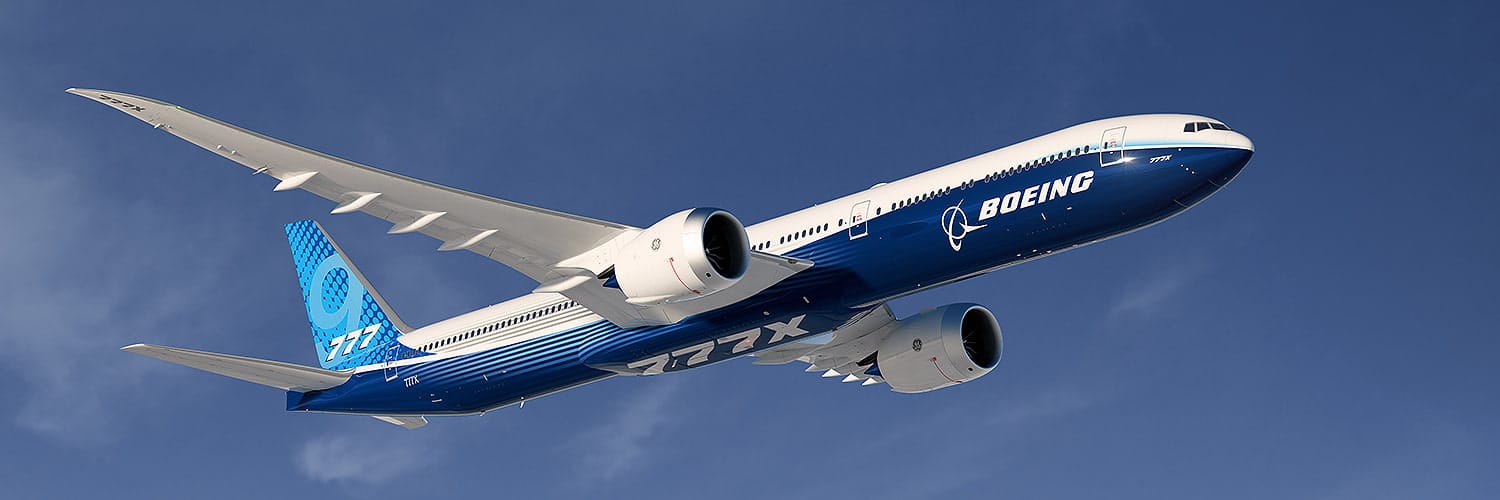
    The Humidifier Pad Assy is more than just a consumable; it is a pivotal innovation and the heart of the Humidifier Onboard system. In the quest to optimise and perfect humidification equipment for aircraft, CTT Systems has crafted original masterpieces for all new widebody airframers since the introduction of the Airbus A380. 

    The CTT Systems humidifier pad assy is based on unique IP material to meet the specs from Airbus and Boeing. The Humidifier Onboard pad assy is more than a component; it is a subsystem in the Humidifier Onboard system that complies with all reliability, performance, and safety measures.

    Over 3,000 Humidifier Onboard in service

    Dry cabin air has been a well-known problem for decades. At CTT Systems, we entered the market over 20 years ago as pioneers, developing an Onboard Humidifier system based on evaporative cooling technology. A few years later, Airbus selected us to provide Humidifier Onboard crew rest compartments for the A380 program.

    Boeing followed suit and selected CTT Systems for the 787 program to supply Humidifier Onboard crew rest compartments and flight decks.  At CTT Systems, we continued our winning streak as the sole OEM supplier of humidifiers for flight decks, crew rest compartments, and passenger cabins on the Airbus A350 and Boeing 777X. Today, we have more than 3,000 Humidifier Onboard in service at over 50 airlines worldwide.

    Original humidifier pad assy uses IP material to meet OEM standards

    When developing the technology for line-fit, our CTT Systems engineers recognised that existing pad materials failed to meet the stringent standards in aviation, particularly those of Boeing and Airbus, as well as regulations from the FAA and FDA. Commodity material did not comply with rigorous performance and safety requirements in aircraft.

    The pursuit of excellence led to a powerful alliance with Munters, the world’s foremost supplier of climate solutions. CTT Systems and Munters engineered a new and unique humidifier pad material that not only met the standards but also surpassed them, setting a new benchmark.

    Tailored for aviation standards and OEM humidifier

    CTT Systems humidifier pad assy is specifically tailored for aircraft requirements and to co-function with the OEM humidifier housing. Our pad material has been rigorously tested to withstand maximum air velocity, meet carryover limits, and maintain pH levels within stringent technical specifications. The high fire rating, the prevention of legionella transfer, and the use of activated carbon make the humidifier pad assy resistant to bacterial growth.

    Another qualification requirement for the pad material was to remain functional under operating conditions specific to the OEM humidifier housing, such as a design that sprays water in short intervals rather than continuously rinsing through the pad, as in other applications. None of the criteria above can be met using a commodity pad assy material.

    Humidifier pad assy’s part of the air supply

    Another area where our humidifier pad material stands out is its ability to safeguard reliability and safety. Since air supply to the flight deck and crew rest passes through the Humidifier Onboard system, the pad material must remain intact and not release any material or collapse. The CTT Systems original humidifier pad assembly material complies with the FAA Part 25 and EASA CS-25 airworthiness standards and, even more importantly, the Boeing requirements for design, testing, documentation, etc., ensuring that airflow remains consistent and safe.

    Commitment to humidifier pad assy excellence

    In summary, the Humidifier Pad Assy from CTT Systems features a unique IP material and sets a new standard in aircraft humidification technology, ensuring compliance with all relevant industry standards and aviation authorities’ requirements. The CTT Systems humidifier pad assembly is not just a commodity or a component; it’s a sub-system designed to co-function with the OEM humidifier housing and to secure a consistent flow of humidified air with the highest reliability and best performance. The CTT Systems Humidifier Onboard system has demonstrated outstanding reliability in airline operations since 2007 and is now fitted in nearly 1,500 widebody aircraft.

    Humidifier Pad Assy from CTT Systems
    – developed for aviation standards and OEM compliance

  • Flight deck humidification – for safer skies and healthier pilots

    Flight deck humidification – for safer skies and healthier pilots

    Flight Deck climate visual showing flight deck humidity improvements – article by Magnus Attefall

    Content Overview

    Author: Magnus Attefall
    Client: CTT Systems
    Audience: Airline operators, decision-makers, and aviation industry stakeholders
    Content Type: Editorial article/thought leadership
    Purpose: Communicate the impact of humidification on safety, health, and operational performance

    The Objective

    Humidification systems are often described from a technical perspective, making it difficult to fully convey their broader impact.

    The objective was to highlight how improved cabin humidity contributes to both pilot health and flight safety, translating technical capabilities into meaningful operational and human benefits.

    My Approach

    I developed the article with a focus on connecting technology to safety and human performance.

    The content explains how humidity levels affect pilot well-being, alertness, and working conditions, positioning the solution as both a health and safety enhancer. The narrative balances technical credibility with accessibility, making the topic relevant for a broader audience.

    The article was designed to support both awareness and strategic positioning.

    Content Highlights

    • Clear connection between technology, safety, and human performance
    • Use-case driven storytelling focused on pilot well-being
    • Translation of technical features into operational benefits
    • Balanced tone combining credibility and accessibility

    Business Impact

    • Increased understanding of safety and health benefits
    • Strengthened positioning around operational performance and reliability
    • Improved relevance for decision-makers
    • Reusable content for marketing, PR, and sales communication

    Imagine flying at 35,000 feet in an environment as dry as the Sahara Desert. This is the reality for pilots on long-haul flights, where relative humidity can drop as low as 3%. Such extreme dryness isn’t just uncomfortable—it poses real risks to pilot health.

    The flight deck humidity challenge

    Dehydrated mucous membranes weaken the body’s first line of defence against pathogens, increasing the risk of illness. Dry air also leads to fatigue, reduced alertness, and can ultimately compromise flight safety.

    It was proved that a 1 percent decrease in relative humidity was associated with a 7-8 percent increase in cases of COVID-19 infections.

    Michael P. Ward, Shuang Xiao,
    Zhijie Zhang, University of Sydney and Fudan University

    Health implications of dry air for pilots

    The human body isn’t built to function well in environments with less than 20% relative humidity. In the flight deck, low humidity can cause:

    • A weakened immune system, increasing susceptibility to illness both in-flight and after landing
    • Dry eyes and skin, nasal congestion, sinus pressure, and even allergies
    • Decreased sense of taste and smell, affecting meal enjoyment
    • Poor sleep quality, as extreme dehydration makes it harder to rest and recover

    From desert dryness to an oasis: Humidifier Onboard

    CTT Systems’ Humidifier Onboard is transforming the flight deck from a desert into an oasis. This innovative system maintains a comfortable humidity level of 17% in the flight deck and 22% in the flight rest compartment. Using water from the potable tank, the system produces pure water vapour without transmitting viruses or bacteria, ensuring a safe and healthy environment for pilots.

    How Humidifier Onboard is transforming pilot health

    With improved humidity, pilots experience fewer complaints of dry eyes, nasal congestion, and skin irritation. Enhanced air moisture also restores the sense of taste and smell, making meals more enjoyable. Most importantly, better sleep and faster recovery help pilots stay alert and perform at their best throughout long-haul flights.

    Setting a new standard in flight deck comfort

    CTT Systems’ Humidifier Onboard isn’t just an upgrade—it’s quickly becoming the standard. Over 90% of Boeing 787s and a growing number of Airbus A350S are equipped with this technology, with the Boeing 777X also offering it as an option. As air cargo operations expand, the need for healthy, hydrated flight decks is more important than ever to ensure all pilots benefit from the same level of comfort and safety.

    CTT Systems’ vision for safer, healthier skies

    At CTT Systems, we believe in supporting the human element of aviation. Our Humidifier Onboard system creates a healthier, more comfortable workspace for pilots, leading to safer and more pleasant flights for everyone. With every journey, we’re committed to making the skies safer and pilots healthier.

    The fact that many respiratory virus infections have a seasonal pattern, where they are much more common during winter, depends partly on the low humidity in the air during those months.

    Professor Bertil Forsberg, Umeå University

    Ready to learn more?

    Contact us for more information about aircraft humidity, or read our white paper on humidification for the flight deck.

    Humidifier Onboard Flight Deck
    – for safer skies and healthier pilots


    💡 See the AI-generated image created to illustrate this article: 
    👉 AI illustration for web article